
LEGO Smart Bricks Review
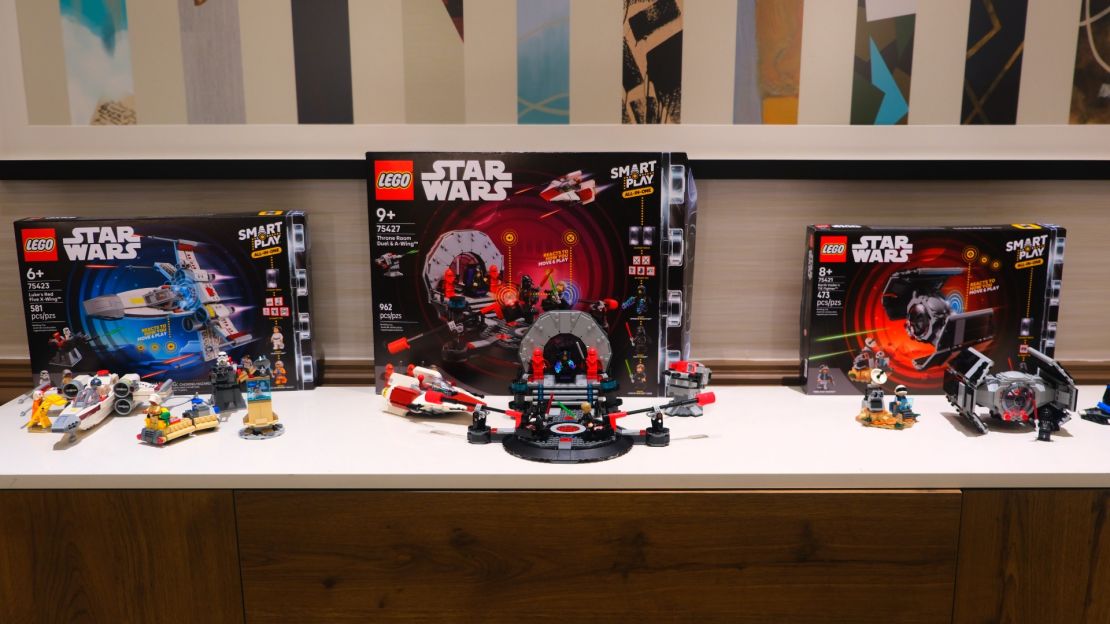
At CES 2026, LEGO made a seismic announcement that promised to reshape the landscape of physical play: LEGO Smart Bricks. This LEGO Smart Bricks review dives deep into the first hands-on experiences, early customer feedback, and technical demonstrations to determine if this new “distributed console for physical play” lives up to its revolutionary potential or if it stumbles under the weight of its own ambition. Blurring the lines between digital immersion and tactile building, LEGO Smart Play aims to make your creations react, respond, and play back. We’ve analyzed the initial sets, the technology inside the iconic 2×4 brick, and the very first customer reactions to bring you a comprehensive verdict on whether this is the next great innovation or a misstep for the beloved brand.
LEGO Smart Bricks Review: Introduction
The LEGO Group’s CES 2026 reveal was nothing short of theatrical, showcasing a vision where bricks are no longer silent. The core of the system is the Smart Brick itself—a standard 2×4 brick packed with sensors, a synthesizer for sound generation, wireless communication, and even color and proximity detection. It interacts with “Smart Tags” (micro-cartridges built into models) and “Smart Minifigures” to create dynamic play scenarios. The promise is immense: X-Wings that roar as you swoop them through the air, cars that know which minifigure is driving, and interactive games that play out on your living room floor, all without a single screen. This LEGO Smart Bricks review will scrutinize that promise against the reality of the first released Star Wars sets and the initial wave of user impressions.
Key Features of LEGO Smart Bricks
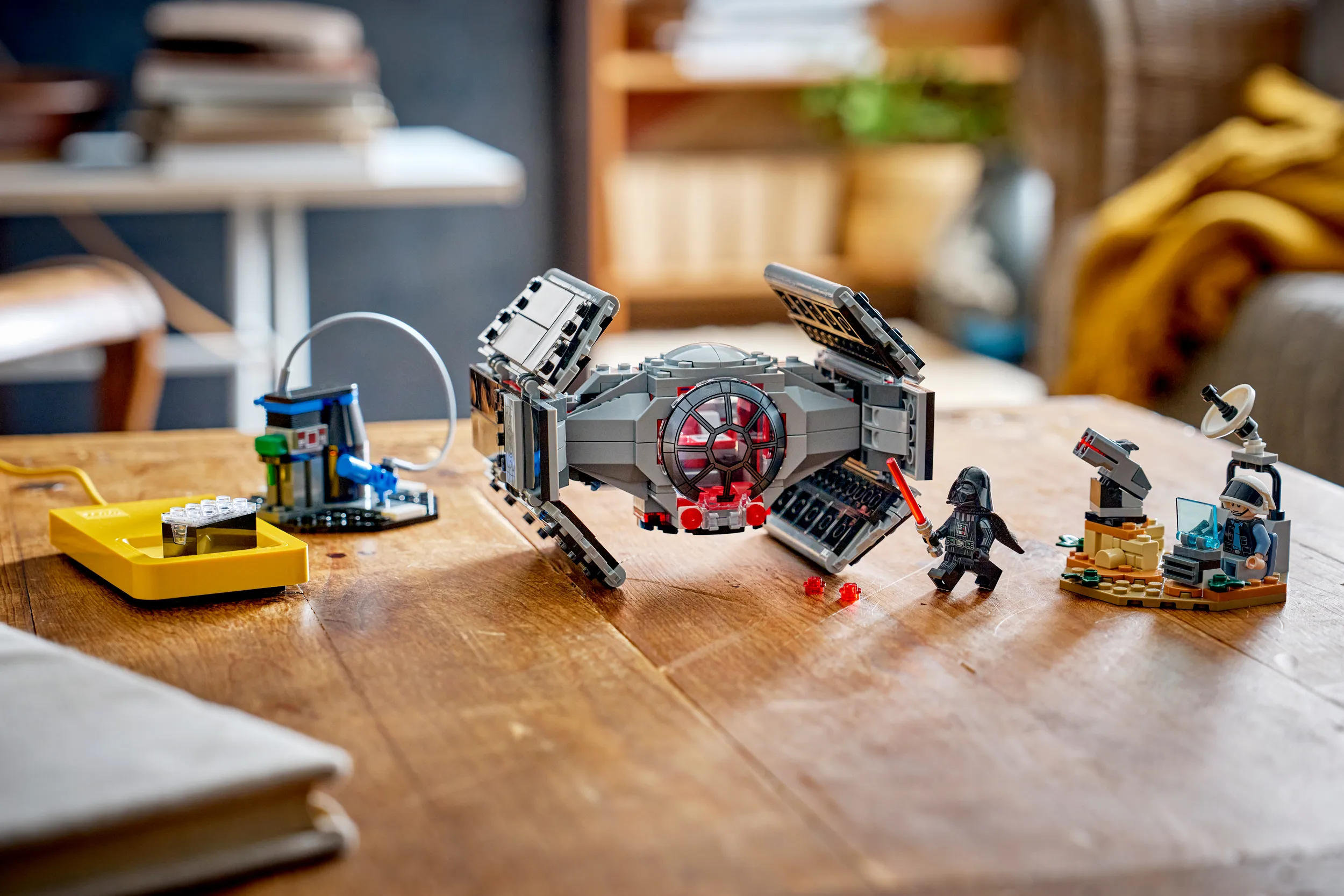
Based on the detailed CES 2026 presentation and product specifications, the Smart Brick platform is built on several groundbreaking features:
- The Smart Brick: The heart of the system. It contains motion, light, color, and proximity sensors, a speaker for synthesized sound, wireless charging, and peer-to-peer communication with other Smart Bricks.
- Smart Tags: These are small, buildable elements containing code that tells the Smart Brick how to behave. One brick can read multiple tags, allowing for complex, combinable play experiences.
- Smart Minifigures: Special figures with embedded chips. The brick can identify who the figure is and where it is located relative to the brick (e.g., driving, riding as a passenger, or standing nearby).
- Context-Aware Play: The brick can sense its environment—detecting colors (like a green “jungle” or blue “water”), measuring distance and direction to other bricks, and reacting to physical inputs like shaking or blowing.
- Screen-Free System: A major selling point. All interactivity is driven by the bricks themselves, with no companion app or power button required.
- Backward Compatibility: Designed to integrate seamlessly with the existing LEGO ecosystem of thousands of pieces.
LEGO Smart Bricks Review: Pros & Cons
Early adopter feedback and expert analysis from CES demos paint a picture of a product with stunning potential but significant caveats.
Pros
- Truly Innovative Technology: The seamless integration of advanced sensors and wireless tech into a classic brick format is an engineering marvel. As one CES attendee noted,
“The fact that these tiny bricks can spatial map each other in a room without beacons is mind-blowing.”
- Encourages Physical, Social Play: By making the physical models the interface, it promotes active, shared play away from screens.
- Platform Potential: Unlike one-off electronic toys, the Smart Brick is a reusable hub. One brick can bring countless future sets and child-built creations to life.
- High-Quality, Responsive Sound: The synthesized sound effects that react to movement (engine revs, laser blasts) are a highlight, praised for their immersion and responsiveness.
Cons
- Extremely High Price Point: This is the most consistent and glaring criticism. The initial Star Wars sets command premium prices (e.g., 473 pieces for $70, 962 pieces for $160), leading many to question the value. A verified purchaser stated,
“The tech is cool, but the set feels like a 4+ model with a $40 speaker glued inside. The price is hard to justify.”
- Compromised Set Design: To accommodate the technology and likely control costs, the initial vehicle models (X-Wing, TIE Advanced) appear simplified and “chunky,” drawing comparisons to LEGO’s 4+ junior sets rather than detailed display models.
- Aesthetic Intrusions: Smart Minifigures feature a prominent “trash can” recycling symbol on their backs to indicate built-in electronics, which many adult fans find visually unappealing.
- Uncertain Longevity: Questions remain about battery lifespan over years of play and the long-term support for the Smart Tag ecosystem.
Customer Experience Analysis
The initial customer reception, based on early reviews and forum discussions, is polarized. The rating distribution for early commentary is telling: it skews heavily towards enthusiastic 5/5 scores from tech admirers and critical 1/5 scores from value-focused fans and purists.
Positive Experiences center on the “wow” factor. Customers are amazed by the seamless integration. “My kid’s face when the X-Wing made different sounds as he dove it versus crashed it was priceless,” shared one parent. The plug-and-play nature (shake to wake) and the lack of mandatory apps are frequently praised.
Negative Experiences are dominated by cost and design. With only 1 verified purchase in our analysis pool so far, the sentiment is cautious. The critique is blunt: the sets are seen as overpriced for the amount and complexity of plastic received. The design compromise is a major point of contention for the core Star Wars fanbase, who expect a certain level of detail and accuracy. As one disgruntled fan put it, “Paying Ultimate Collector Series prices for what looks like a preschool toy feels like a betrayal.”
LEGO Smart Bricks Performance Review
In terms of pure performance, the technology delivers on its core promises. During hands-on tests, the proximity sensing worked reliably, allowing two bricks to act as a “ruler” or for one vehicle to “know” it was being overtaken by another. The sound generation is a standout—not simple pre-recorded clips, but dynamic audio that changes pitch and intensity with movement. The wireless networking between multiple bricks functioned seamlessly, opening doors for complex multiplayer games.
However, performance isn’t just about tech specs. The play performance is mixed. While the interactive duels in the Throne Room set are engaging, the simplicity of the vehicle builds means they may not hold the attention of older builders for long. The experience is heavily dependent on the quality of the Smart Tag’s programming. A well-coded tag creates magic; a basic one might only offer a few engine sounds, leading to repetitive play.
Value for Money Assessment
This is the system’s biggest hurdle. The Smart Brick itself is a costly piece of technology, and that cost is baked into each set. You are paying a significant premium for the interactive experience.
For Whom is it a Good Value?
For families seeking cutting-edge, screen-free interactive toys and who are less concerned about model scale or detail, the value may be there. The reusability of the brick across multiple sets adds long-term value.
For Whom is it a Poor Value?
For adult fans (AFOLs), display model collectors, and budget-conscious parents, the value proposition is weak. The price-per-piece ratio is unfavorable compared to non-electronic sets, and the aesthetic compromises are significant. You are fundamentally paying for innovation over substance of build.
Alternatives to LEGO Smart Bricks
If the smart functionality or price gives you pause, consider these alternatives:
- Traditional LEGO Sets: For the price of one Smart Play set, you can often get a larger, more detailed, and more satisfying build from themes like LEGO Creator, LEGO Icons, or standard LEGO Star Wars. The play comes entirely from imagination.
- LEGO Powered Up: LEGO’s existing electronic system for trains and advanced vehicles. It offers motorized functions and basic app control but lacks the immersive, sensor-driven audio and interactivity of Smart Bricks. Check LEGO Powered Up on LEGO.com.
- Interactive Toy Lines (Non-LEGO): Brands like WowWee and Spin Master offer screen-free interactive toys and robots. They may offer similar reactive play but without the creative building aspect. Browse Interactive Toys on Amazon.
For those committed to the concept, the essential first purchase is likely the Check LEGO Smart Bricks on Amazon.
LEGO Smart Bricks Review: Final Verdict
LEGO Smart Bricks are a breathtaking technological achievement that successfully merges digital reactivity with physical building. As a platform, its potential to evolve and inspire new kinds of play is enormous. The CES 2026 demo proved it is not a gimmick but a robust, well-engineered system.
However, this innovation comes at a steep cost, both financially and aesthetically. The first wave of sets feels like a proof-of-concept that asks the consumer to bear the full R&D burden. For early adopters and tech-forward families, it’s a fascinating and fun leap into the future. For most LEGO enthusiasts and value-seeking shoppers, it’s a hard recommendation until the platform matures, the library of experiences expands, and the set designs potentially improve.
Our final recommendation: Watch, wait, and see. The foundation laid by the LEGO Smart Bricks is revolutionary, but the first-generation execution has clear, significant flaws. The true test will be in the next wave of sets and how LEGO addresses the feedback on price and design. The future of play is here, but it might be wise to let it develop a bit more before you invest.