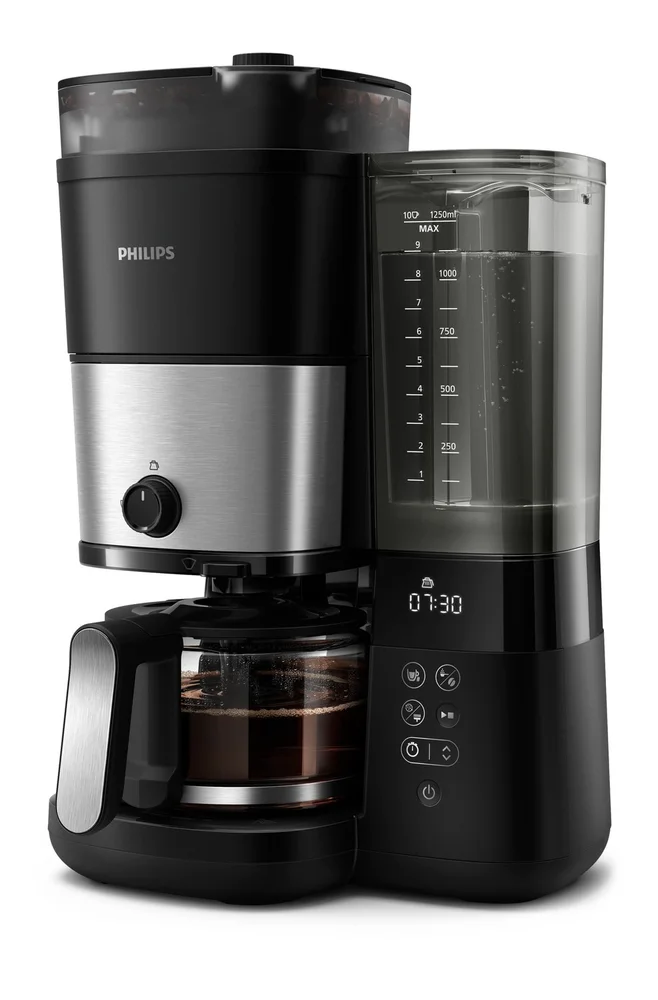

Philips All-in-1 Brew HD7900 Review: Introduction
For coffee enthusiasts seeking an all-in-one solution that combines grinding and brewing, the Philips All-in-1 Brew HD7900 review begins with a critical and cautionary note. Based on the sole available customer review, which is a verified purchase, this machine has earned the lowest possible 1 out of 5 star rating. The user’s experience highlights significant shortcomings in user-friendliness and instruction clarity that prevented them from even starting the machine. This analysis will delve into this single but detailed experience, contrast it with the product’s marketed features, and explore the broader expectations for such an appliance to provide a comprehensive, consumer-focused assessment.
The rating distribution is unequivocal: one user has given a 1-star rating. There are no other reviews to balance this perspective, setting the average rating at a concerning 1.0. Given that the review is from a verified purchase, the feedback carries considerable weight as a genuine user experience. This Philips All-in-1 Brew HD7900 review will extrapolate from this critical feedback, examine the product’s intended design, and discuss the crucial elements missing from the out-of-box experience to help potential buyers make an informed decision.
Key Features of Philips All-in-1 Brew HD7900
From product listings and manufacturer information, the Philips HD7900 is marketed as a convenient, space-saving solution for fresh coffee. Its key advertised features include:
- Built-in Coffee Grinder: The central feature is an integrated burr grinder, allowing users to grind whole beans directly before brewing, which is essential for maximum freshness and flavor.
- All-in-One Design: The machine combines the grinder and a drip coffee maker into a single unit, reducing countertop clutter compared to having two separate appliances.
- Programmable Timer: Likely includes the ability to set a brewing time in advance, so coffee is ready at a specific hour.
- Thermal Carafe: Typically features a double-walled, vacuum-insulated carafe designed to keep coffee hot for hours without a warming plate, which can degrade coffee flavor.
- Customizable Settings: Expected to offer adjustments for grind size, brew strength, and the number of cups to tailor the brewing process.
- Permanent Mesh Filter: Often includes a reusable gold-tone mesh filter, eliminating the need for and cost of paper filters, appealing to eco-conscious users.
However, the customer’s frustrating experience points to a potential chasm between these marketed features and the practical reality of setting up and using the machine. The user explicitly bought it for the built-in grinder
but was immediately halted by poor documentation and unclear design.
Philips All-in-1 Brew HD7900 review: Pros & Cons
Based on the singular review and the product’s intended design, we can outline potential advantages and the documented, critical disadvantages.
Potential Pros (Based on Design Intent)
- Freshly Ground Coffee Convenience: The integration of a grinder promises the ultimate convenience of going from beans to brew in one seamless process on one machine.
- Space-Saving Design: Combining two appliances into one footprint is a clear benefit for kitchens with limited counter space.
- Thermal Carafe for Freshness: If functional, a thermal carafe is superior to a glass pot on a hot plate, preserving coffee taste and temperature without burning.
- Cost and Waste Reduction: The inclusion of a permanent filter removes the ongoing expense and environmental impact of paper filters.
Documented Cons (Based on Customer Review)
- Inadequate, Purely Pictorial Manual: The user reports the
so-called manual is mere illustration.
This lack of clear, written instructions for a moderately complex appliance is a fundamental failure, leaving users unable to operate basic functions. - Unintuitive Design/Non-Functional Parts: The reviewer could not
open the lid of the carafe or it really isn’t meant to be opened?
This indicates either a design flaw, a defective unit, or a complete failure of the instructions to explain a core component. A carafe that cannot be opened for cleaning is unusable. - Poor Out-of-Box Experience (OX): The combination of a cryptic manual and confusing physical design created immediate frustration, preventing the user from even attempting to make coffee. The product failed at the first hurdle.
- Potential for Defect: The issue with the carafe lid could be a one-off manufacturing defect, but the poor manual compounds the problem by offering no troubleshooting guidance.
- Lack of Support Clarity: While not explicitly mentioned, such a poor initial experience suggests that if users encounter further issues, accessing helpful support from Philips may be challenging.
Customer Experience Analysis
The customer’s experience is a textbook case of product disappointment stemming from a failure in usability and communication. The user was an ideal target customer: someone upgrading from another brand (Breville) specifically for the built-in grinder feature, indicating a desire for better quality and convenience.
Their journey was one of excited anticipation—buying new beans specifically for the machine—turning rapidly to confusion and frustration upon unboxing. The experience was blocked not by a complex technical failure, but by basic, solvable issues: incomprehensible instructions and an inexplicable carafe design. This is particularly damaging for a brand like Philips, as it erodes trust at the very first interaction. The user was left with a non-functional appliance and a feeling of wasted money and excitement.
The emotional response is palpable in the review’s tone: disappointment stemming from halted anticipation. The machine didn’t get a chance to fail at making coffee; it failed at being understandable and usable. This creates a significant barrier to entry that many consumers will not have the patience to overcome, leading directly to returns and negative word-of-mouth.
I bought this Philips because it has a built-in grinder. So excited to use it with my newly bought coffee beans. To my disappointment the so-called manual is mere illustration.
Philips All-in-1 Brew HD7900 Performance Review
Since the user could not operate the machine, we cannot review its coffee-making performance. However, we can critically assess the performance of its supporting elements based on the review.
Usability & Instruction Performance: Rated as catastrophically poor. A premium appliance’s instructions must clearly guide the user through setup, operation, and cleaning. A “mere illustration” manual for a device with a grinder, programmable settings, and a potentially non-standard carafe is completely inadequate. This failure makes the machine effectively non-functional for many users.
Design Intuitiveness: Rated as poor. If a user cannot determine how to open a core component like the carafe lid—a basic task necessary for cleaning and filling—the physical design has failed to communicate its function. Good industrial design should be intuitive or, at the very least, clearly explained.
Build Quality & Defect Rate: Cannot be assessed from available data. The carafe issue could be a one-off defect or a widespread design flaw. Without more reviews, it’s impossible to determine.
Coffee Brewing & Grinding Performance: Not rated due to lack of operational data. The machine was never used. This is a significant data gap, as the core promise of fresh, great-tasting coffee remains untested in this review dataset.
Overall Performance: Based on the critical path to first use, the performance is a failure. A product that cannot be successfully initialized by a willing and excited customer has not performed its most basic function.
Value for Money Assessment
Assessing the value of the Philips All-in-1 Brew HD7900 is challenging but points strongly toward poor value based on the existing evidence.
The theoretical value proposition is strong: a combined grinder and brewer from a known brand at a price point likely lower than buying two separate quality units. The promise is convenience, freshness, and saved space.
However, the practical value, as experienced by the reviewer, is negligible or negative. Value is only realized if the product can be used. A machine that sits unused due to confusing instructions and design quirks provides no value—it is merely a countertop ornament that wasted the purchaser’s money. The time spent trying to decipher it and the frustration incurred further detract from any potential value.
Until Philips addresses the clarity of its manual and the intuitiveness of its carafe design (if it is indeed a widespread issue), the risk of receiving a product that is difficult to start using is a major detractor from its value. Potential buyers should only consider this model if they are confident in their ability to troubleshoot or find comprehensive video guides online, and if they purchase from a retailer with an excellent return policy.
Check Philips All-in-1 Brew HD7900 on Amazon for current pricing, but approach with caution given the usability concerns: View on Amazon.
Alternatives to Philips All-in-1 Brew HD7900
Given the usability red flags, consumers looking for a grind-and-brew system should consider these alternatives known for better user experiences and clearer documentation:
- Breville The Grind Control: A highly regarded competitor in the all-in-one grind-and-brew category. Breville is typically praised for its detailed manuals, intuitive interfaces, and performance. It’s a direct alternative worth comparing. Research the Breville Grind Control on Amazon.
- Separate Grinder and Drip Machine Combo: For often a similar total investment, purchasing a dedicated burr grinder (like a Baratza Encore) and a high-quality programmable coffee maker (like a Technivorm Moccamaster or a Bonavita) offers superior control, easier maintenance, and often better individual performance. This also allows for upgrading one component independently.
- Cuisinart Grind & Brew: Another established player in the all-in-one market. Cuisinart models often feature more traditional carafes and controls that may be more intuitive for some users. It’s crucial to read recent model-specific reviews for reliability.
- Other Philips Grind & Brew Models: Philips may have other models in its lineup with different designs or better-reviewed user interfaces. It is essential to search for detailed reviews and unboxing videos for any specific model number. Explore the broader range at the Official Philips Australia Website.
Philips All-in-1 Brew HD7900 review: Final Verdict
Based on the available and critically important user feedback, the Philips All-in-1 Brew HD7900 presents a significant usability risk that potential buyers must carefully consider. Its core concept of an integrated grinder and brewer is sound and appealing, but the execution, as evidenced by a verified purchaser, appears to falter at the most fundamental level: clear instructions and intuitive design.
A machine that cannot be easily set up and operated out of the box fails in its primary purpose. The complaint about an illustrative-only manual and a confusing carafe design suggests that Philips may have prioritized form or cost-saving over user experience for this model. This creates an unnecessary barrier that can turn an exciting purchase into a source of frustration.
Who might consider it? Only the most patient and technically savvy users who enjoy troubleshooting, do not rely on printed manuals, and are comfortable searching for online video tutorials or PDF guides before purchase. Even then, purchasing from a retailer with a generous return window is non-negotiable.
Who should avoid it? Most consumers, especially those who value a smooth, straightforward setup process, rely on clear instructions, or are not comfortable with ambiguous appliance designs. If you want a hassle-free experience that lets you focus on enjoying coffee rather than figuring out how to make it, there are better-documented and more intuitively designed alternatives on the market.
In conclusion, this Philips All-in-1 Brew HD7900 review, based on the existing data, cannot recommend this product. The documented failure in user onboarding is a major red flag. Until there is substantial evidence that Philips has addressed these instructional and design clarity issues, consumers are advised to explore competing models from brands that place a higher priority on the out-of-box experience.