
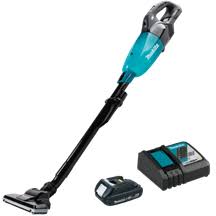
Makita 18V LXT Cordless Vacuum Cleaner Review: Introduction
For professionals and DIYers already invested in the Makita LXT ecosystem, the Makita 18V LXT cordless vacuum lineup promises a convenient, battery-powered solution for quick cleanups. This comprehensive review synthesizes extensive user feedback, forum discussions, and expert analysis to answer a critical question: are these vacuums a worthy addition to your toolkit, or a compromised accessory? Unlike a standard appliance review, this deep dive focuses on the real-world utility for workshop, jobsite, and light home use. We’ll cut through the marketing to see if the suction, battery life, and build quality hold up under daily demands, separating the hype from the honest user experience.
Key Models in the Makita 18V LXT Family
The Makita 18V LXT vacuum range isn’t a single product but a family of tools designed for different tasks. Understanding the hierarchy is key to choosing the right model.
- Compact Handhelds (DCL180Z / DCL182 Series): These are the entry-level, lightweight units. Think of them as glorified dust busters, ideal for bench cleanup, car interiors, and small spills. They are often the most affordable body-only option.
- Stick & Cyclone Models (DCL280FZ, DCL286FZB): This is the more advanced line. These models feature a stick-style design with a longer reach, integrated cyclone technology for better dust separation, and brushless motors. The flagship DCL286FZB offers multiple power modes and is marketed as a significant step up from older handhelds.
- Dust Extractors (DVC350Z, DVC750LZ): These are larger, more specialized tools designed for capturing fine dust at the source, often connecting directly to power tools like sanders. They sit in a different category focused on health and tool protection rather than general cleaning.
For this review, we will primarily focus on the handheld and stick models used for everyday cordless cleanup tasks.

Makita 18V LXT cordless vacuum review: Pros & Cons
Based on aggregated user experiences from tool forums, review sites, and retailer feedback, the strengths and weaknesses of this vacuum family are clear and consistent.
Pros
- Ecosystem Compatibility: The single biggest advantage. If you already own Makita 18V LXT batteries, adding a vacuum is a low-cost, high-convenience move. You leverage your existing investment, avoiding the need for a separate battery platform.
- Cordless Convenience & Mobility: Unmatched for quick jobs. Users love being able to grab it for a 30-second cleanup on the workbench, stairs, or in the car without wrestling with a cord or a bulky vacuum.
- Lightweight and Ergonomic: Most models are praised for being comfortable to hold and easy to maneuver in tight spaces, making them less cumbersome than dragging out a full-sized vacuum.
- Improved Dust Separation (Cyclone Models): The brushless stick vacuums with cyclone technology (like the DCL286FZB) are noted for significantly reducing filter clogging compared to older, basic models, helping maintain suction for longer.
- Quiet Operation: Users frequently mention that these vacuums are quieter than expected, especially the brushless models, which is a major plus in shared spaces or for noise-sensitive environments.
Cons
- Suction Power Limitations: This is the most common and critical complaint. Even the best LXT models cannot match the raw suction of a corded vacuum or dedicated cordless cleaners from brands like Dyson. They can struggle with deep carpet cleaning and larger, heavier debris.
- Small Dust Capacity: The collection bins, especially on handheld models, fill up very quickly. Frequent emptying is a recurring frustration for users tackling anything more than a minor mess.
- Batteries & Charger Not Included: This is a major point of contention for new users. The “body-only” sales model means the upfront cost can be misleading; you must already own or separately purchase expensive batteries and a charger.
- Filter Clogging (Older/Non-Cyclone Models): Basic handhelds are notorious for having their filters clog rapidly with fine dust (like drywall or sanding dust), causing a dramatic and immediate loss of suction.
- High Price vs. Pure Performance: When comparing suction power and features alone to dedicated vacuum brands, some users feel the Makita vacs are overpriced. You are paying a premium for battery compatibility and the Makita name.
Customer Experience Analysis
The user base for these tools is distinctly split between two mindsets: the ecosystem integrator and the performance seeker.
The vast majority of satisfied customers are those deeply embedded in the Makita LXT system. For them, the vacuum is a “good enough” accessory that solves a specific problem: quick, convenient cleanups without leaving their preferred battery platform. As one forum user put it, “It’s perfect for what it is – a quick grab-and-go vac for sawdust on the bench or Cheerios in the car. It’s not my house vacuum, and I never expected it to be.” This group values the convenience and synergy far more than absolute suction power.
The dissatisfied users are often those who expected corded-like performance or who compared it directly to domestic cordless vacuums. Reviews frequently state disappointment with carpet performance or the need for multiple passes. A common sentiment on tool forums is that the non-cyclone models are “useless” for fine dust without constant filter maintenance. The experience is heavily dependent on setting realistic expectations.
A key insight from communities like Reddit is the modification culture. Many users don’t use these vacuums stock; they add aftermarket cyclone lids or HEPA filters to improve performance, acknowledging the tool’s inherent limitations.
Makita 18V LXT cordless vacuum Performance Review
Performance must be judged against its intended purpose: light-duty, secondary cleanup.
Suction & Cleaning Ability: On hard floors and for picking up loose debris (sawdust, chips, crumbs), performance is generally rated as “good” to “very good” by users. The suction is adequate for these tasks. The moment you move to embedded pet hair, deep pile carpets, or fine powder like concrete dust, the limitations become stark. The cyclone models (DCL286FZB) are a marked improvement, with users noting they “actually work” for workshop cleanup, whereas the basic handhelds clog almost instantly.
Battery Life Reality: Runtime is a direct function of battery size and suction setting. Makita’s own specs for the DCL286FZB show a range from ~8 minutes on max power to ~38 minutes on low with a 3.0Ah battery. User feedback confirms this. For quick jobs, it’s sufficient. For cleaning a whole car or a large workshop floor, you will need multiple high-capacity batteries. This makes the 5.0Ah or 6.0Ah batteries highly recommended companions.
Build Quality & Design: Most users praise the ergonomics and feel. However, some forum complaints mention plastic components feeling cheap or cracking over time, particularly around attachment points and the bin release. This seems more common in older or heavily abused units. The overall build is considered good for a tool accessory but not necessarily on par with Makita’s core power tools.
Value for Money Assessment
The value proposition is entirely conditional.
If you are a Makita LXT platform user with several batteries, the value is high. Adding a DCL180Z body for a low cost gives you a very convenient tool that solves small messes instantly. The value comes from the incremental utility, not from the vacuum being the best in class.
If you are starting from zero with no Makita batteries, the value is questionable. The total cost of a vacuum body, two batteries, and a charger often approaches or exceeds the price of a dedicated, high-performance cordless vacuum from a consumer brand that will likely outperform it in cleaning tests. In this scenario, you are buying into the ecosystem, not just a vacuum.
The stick vacuums like the DCL286FZB represent a better pure-vacuum value than the handhelds due to their improved technology, but the same ecosystem logic applies. For a tradesperson who will use it daily for light jobsite cleanup, it can be invaluable. For a homeowner looking for a primary vacuum, it’s likely not the best choice.
Alternatives to the Makita 18V LXT Cordless Vacuum
Before committing, consider these alternatives based on your primary need:
- Within Makita: The 40V XGT Platform: For users needing more power, Makita’s 40V XGT line includes more powerful vacuums and dust extractors. These offer significantly better performance but require investment in a separate, more expensive battery platform. Check Makita XGT Vacuums on Amazon.
- Other Tool Brands (Milwaukee M18, DeWalt 20V): Rival tool ecosystems have their own cordless vacs. The Milwaukee M18 Fuel Packout Vacuum is particularly well-regarded in tool forums for its stronger suction and larger capacity. If you’re not platform-loyal, compare performance reviews. Check Milwaukee M18 Vacuum on Amazon.
- Dedicated Cordless Vacuums (Dyson, Shark): For domestic cleaning performance above all else, brands like Dyson dominate. They will offer better suction, more attachments, and larger bins specifically designed for home use. They are appliances, not tool accessories.
- Wet/Dry Shop Vacs: For serious workshop or jobsite cleanup, a small corded wet/dry vacuum remains the king of suction and capacity for the price. It lacks cordless convenience but delivers uncompromising power.
Makita 18V LXT cordless vacuum review: Final Verdict
The Makita 18V LXT cordless vacuum family is a classic case of “right tool for the right job.” It is not a vacuum for deep cleaning your home or handling heavy construction debris. Its purpose is to provide exceptional convenience for light, frequent cleanups within the Makita battery ecosystem.
Buy it if: You are a Makita LXT user who needs a quick-grab vacuum for workshop sawdust, car interiors, cleaning up after small DIY projects, or tackling kitchen spills. You value cordless convenience and battery synergy over maximum suction power. For this user, it’s an excellent, almost essential accessory.
Avoid it if: You are not invested in Makita batteries, you need a primary vacuum for whole-house cleaning (especially carpets), or you regularly deal with large volumes of fine dust without modifications. In these cases, the cost and performance will be disappointing.
Final Recommendation: For the existing Makita loyalist, the stick models like the DCL286FZB are the best choice, offering meaningful improvements over the basic handhelds. Manage your expectations, consider it a secondary cleanup tool, and you’ll likely be satisfied. Purchase from a retailer with a good return policy in case your needs don’t align with its capabilities.
Ready to add this convenient cleaner to your LXT lineup? Check Makita 18V LXT Cordless Vacuums on Amazon to compare models and pricing. You can also explore the full range of tools and specs on the Official Makita USA Website.